

The Prophet of the New Russian Empire

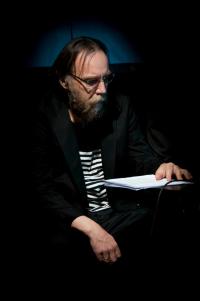
On June 5, 2007, the Ukrainian government declared Russian intellectual Aleksandr Dugin persona non grata and banned him from entering the country for a period of five years. This exceptional decision was motivated by a series of inflammatory remarks made by Dugin and his followers about Russia’s various pro-Western neighbors, the Ukraine foremost among them. It was not long, however, before Kiev retracted its decision, fearing further deterioration in its relationship with the superpower to the east. Dugin, after all, is not merely a philosopher. He has influential friends in the Russian presidential cabinet and is associated with many leading politicians, as well as prominent academics and celebrities. And indeed, Ukrainian apprehension was justified by the events that followed: That very evening, Ukrainian presidential adviser Mykola Zhulynsky and his family, who had arrived in St. Petersburg to visit the graves of their relatives, were deported by the Russian government. This retaliation had no mitigating effects on Dugin’s aggressive public campaign against the Ukraine. On October 12, activists from Dugin’s International Eurasian Movement sawed through the country’s national emblem—a statue of a trident situated on Mount Hoverla—and announced that they had thus "castrated” the Ukraine of its sovereignty. Following this ostentatious act of vandalism, Dugin was again banned from entering the Ukraine. This did not, however, prove to be the end of the affair. Authorities in Moscow were quick to show their support for the provocative thinker, and promptly deported Ukrainian political analyst Sergei Taran. The Russian Foreign Ministry left no doubt about Moscow’s motivations when it announced that Taran’s expulsion was a direct response to the Ukrainian ban.